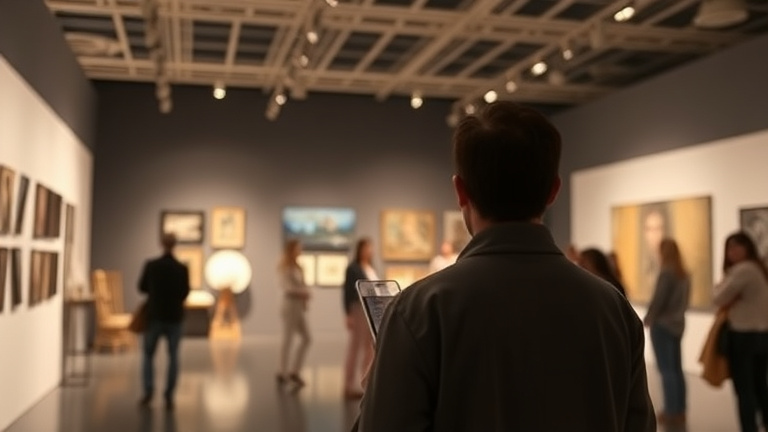

Museums encounter significant hurdles in drawing and maintaining visitors in the modern digital era. Yet forward-thinking leaders throughout the nation are identifying compelling methods to transform their institutions into thriving gathering spaces. From harnessing social networks and creating interactive experiences to collaborating with community groups and refreshing collections, these professionals are successfully deepening connections with varied communities. This article examines proven tactics that cultural institution leaders are implementing to drive foot traffic, create substantive interactions, and secure institutional growth for years ahead.
Establishing Welcoming Programming Initiatives
Museum directors recognize that inclusive programming is vital for attracting diverse audiences and fostering meaningful community relationships. By designing events and displays that reflect the varied interests, backgrounds, and abilities of their communities, museums can create inclusive environments where everyone feels valued. This approach transcends simply opening doors; it involves careful curation, accessibility considerations, and programming that resonates with multiple demographics and cultural perspectives.
Successful inclusive programming requires museums to listen actively to their communities and adjust their approach. Directors are gathering feedback through surveys, organizing community forums, and setting up community councils that feature members from underrepresented populations. This partnership model confirms that content choices align with real community priorities and preferences, ultimately leading to increased attendance and more meaningful involvement across all population segments and socioeconomic backgrounds.
Family-Centered Efforts
Family-oriented initiatives have become cornerstone strategies for museums aiming to build lasting relationships with younger audiences and their parents. Directors are developing interactive exhibits, hands-on workshops, and storytelling sessions purposefully crafted to engage children while maintaining intellectual rigor for adult visitors. These programs recognize that families constitute a substantial visitor base and that favorable early encounters often translate into lifelong museum supporters and advocates.
Modern museums are extending family programming beyond traditional gallery spaces through outdoor activities, virtual offerings, and local gatherings. Many institutions provide discounted family memberships, free admission nights, and curated events during school holidays to remove financial barriers. By building engaging experiences for all ages, museums deepen family bonds while nurturing the next generation of involved community members and community stakeholders.
Educational Alliances
Educational initiatives constitute a strategic avenue for museums to broaden their audience and enhance community impact. Directors are collaborating with schools, universities, and educational organizations to incorporate museum materials into curricula and develop field trip programs that improve student learning. These partnerships offer students with practical educational learning experiences while driving consistent visitor attendance and demonstrating the museum’s focus on educational quality and community development.
Beyond traditional school partnerships, museums are forging connections with adult learning centers, job training initiatives, and community colleges. These partnerships enable museums to support diverse learner groups and position themselves as vital educational institutions within their communities. By aligning programming with educational standards and local educational objectives, museums enhance their relevance and secure support from learning sector partners and grant-making bodies.
Harnessing Online Channels and Social Networks
In this current connected world, museum directors recognize that digital platforms are vital tools for connecting with wider audiences and building authentic relationships. Social media channels allow museums to display collections, share insider content, and engage visitors in real-time conversations. By keeping active and dynamic online presences, museums extend their reach far beyond brick-and-mortar locations, drawing new visitors who might never have encountered them otherwise. Targeted digital marketing campaigns promote special exhibitions and events, generating buzz and anticipation among followers.
Successful museums are implementing multiple digital strategies that serve varying visitor preferences across demographics. Digital walkthroughs, livestreamed events, and immersive web-based content let individuals worldwide to explore displays from home. Museums are also utilizing data analytics to track audience engagement patterns, supporting targeted promotional approaches. Email communications, podcast series, and mobile applications sustain visitor engaged between visits. These online advancements enhance conventional marketing while creating routes for participation and participation.
- Develop engaging Instagram content showcasing curated selections and expert perspectives.
- Host real-time discussions with professionals on social media channels.
- Create digital exhibition tours available for global audiences digitally.
- Deploy focused promotional efforts to engage particular audience segments drawn to museums.
- Showcase visitor contributions from attendees to build authentic community connections.
Crafting Memorable Visitor Moments
Museum directors understand that designing engaging encounters is fundamental to building loyal audiences and encouraging repeat visits. By focusing on customized engagement, immersive displays, and narrative-driven experiences, museums transform passive observation into active engagement. Directors establish guided tours tailored to specific interests, experiential learning activities, and exclusive collection tours that strengthen audience relationships to collections. These experiential approaches resonate particularly with families and younger audiences, fostering emotional attachments that stretch well outside the museum walls and generate organic word-of-mouth promotion.
Technology fulfills an important role in enhancing visitor experiences without reducing the human element. Museums implement AR technology, handheld navigation apps, and interactive digital displays that enhance traditional exhibits and address diverse learning styles. Directors highlight that unforgettable visits also demand attention to practical details: welcoming spaces, intuitive navigation, welcoming staff, and carefully curated areas for reflection. By emphasizing visitor comfort and engagement at every moment of contact, museums generate rewarding visits that transform casual visitors into enthusiastic ambassadors and community ambassadors for their institutions.
